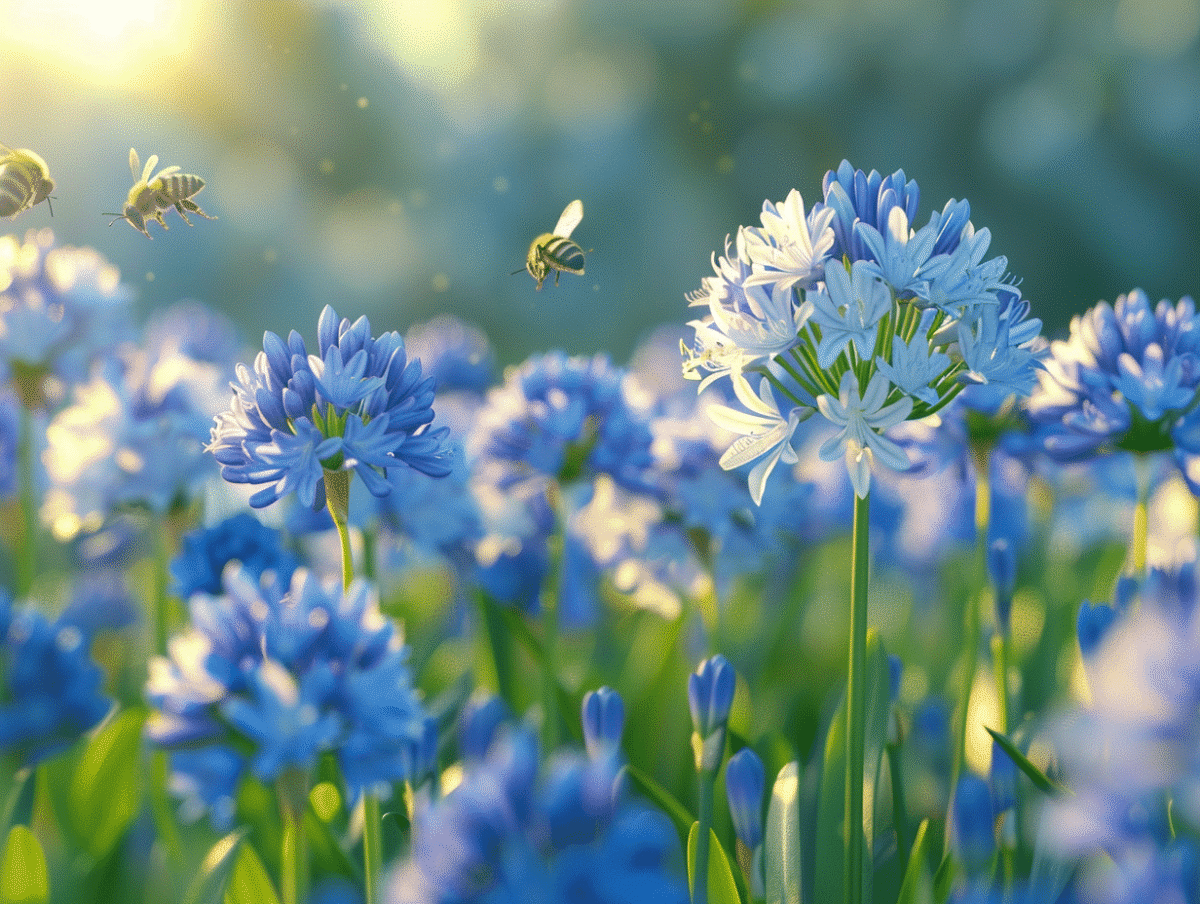
Agapanthus, with their graceful trumpet-shaped flowers, attract many gardeners and plant enthusiasts. To ensure optimal blooming of these garden jewels, special attention must be paid to their care. This care involves a good understanding of the plant’s specific needs in terms of watering, fertilization, light, and protection against cold temperatures. Gardeners should also be familiar with division and transplanting techniques that promote the health and vigor of agapanthus, thus guaranteeing a burst of color during the blooming season.
The keys to successful planting for agapanthus
Choosing an adequate location is the first fundamental step to ensure the growth of agapanthus. These ornamental plants thrive in sunny spots, where the sun bathes their leaves for at least six hours of sunlight per day. Exposure is therefore crucial: favor an open space, sheltered from the shadows of large trees or buildings. Consider that the chosen location will reflect the health and vigor of your agapanthus.
Properly preparing the soil is equally important. The planting hole, designed to accommodate the plant’s roots, should be about twice the size of the root ball. This precaution facilitates an unobstructed installation of the roots in the soil. Before placing the plant, ensure that the roots are free and not tangled, a prerequisite for healthy development. As for the planting depth, the top of the root ball should be level with the soil surface, thus avoiding the risks of rotting or drying out.
The space between plants, often overlooked, should respect a distance of 30 to 45 centimeters to avoid competition for nutrients and water, while allowing for unobstructed growth. A quality plant is recognized by its healthy, robust leaves, without obvious signs of disease or damage. As for the frequently asked question by gardeners should the leaves of agapanthus be cut, the answer lies in observation: if the leaves are damaged or diseased, pruning may be necessary to promote the plant’s vigor. Outside of these cases, pruning is not systematic and should be done judiciously.
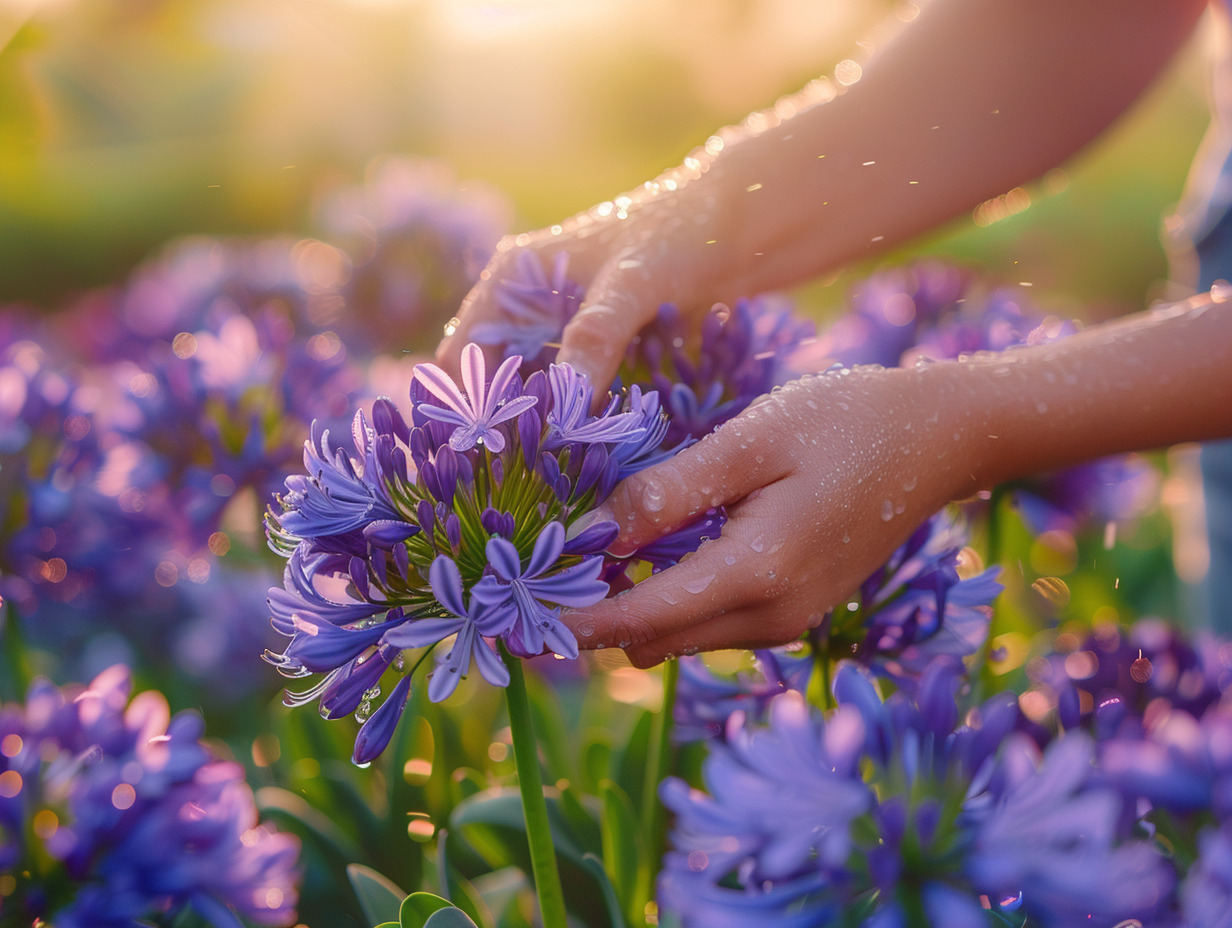
Tips for caring for and maximizing the blooming of agapanthus
Eradicating weeds, a formidable competitor for agapanthus, requires vigilance and diligence. These unwanted plants usurp essential nutrients and water, precious for your flowers. Regularly weed around your agapanthus plants to promote their flourishing without rivals.
The addition of compost is a beneficial gesture for the soil housing your agapanthus. Rich in organic matter, compost not only improves soil structure but also its fertility, creating a conducive environment for the healthy growth of agapanthus. Incorporate it into the soil during planting and renew this addition annually to maintain a rich and nourishing soil.
The soil pH, often underestimated, is fundamental in the care of agapanthus. These plants prefer slightly acidic to neutral soil, ideally with a pH between 6 and 7. Test the pH of your soil; if necessary, adjust it using specific amendments to reach this ideal range.
The watering of agapanthus should neither be excessive nor insufficient. A good level of moisture is crucial, especially during dry periods and after planting. Water your agapanthus once or twice a week, depending on weather conditions, ensuring not to drown the roots, which could lead to fungal diseases. As for fertilization, it supports the plant’s vigor and encourages abundant blooming. Use a balanced fertilizer in early spring and summer, during active growth periods.
Also watch for the appearance of pests and diseases. Agapanthus are sometimes targeted by slugs and snails and may suffer from diseases such as root rot or leaf spots. Treat problems as soon as they are detected with suitable and environmentally friendly products.
Don’t forget to prune the wilted flowers to stimulate the appearance of new ones. This practice, in addition to maintaining the aesthetic of your agapanthus, promotes the vigor of the plant. Clumps, which become cumbersome over time, should be divided every three to four years to allow for better aeration and encourage new blooming.