
On a new XMAX 125, the temptation to open the throttle wide as soon as you leave the dealership is strong. The engine runs smoothly, the road is clear, and you wonder if this famous break-in period really serves any purpose with today’s machining tolerances. The answer is straightforward: we still break in engines in 2025, but not in the same way we did fifteen years ago.
Engine RPM and break-in stages on the XMAX 125
Yamaha structures the break-in of the XMAX 125 in progressive stages. The principle is simple: we deliberately limit the engine RPM during the first kilometers to allow the internal parts (piston rings, cylinder, crankshaft) time to adjust to each other.
For a 125 cm3, the commonly accepted break-in duration is around 1,000 kilometers. Manufacturers recommend not exceeding a certain speed during the very first kilometers, then gradually increasing it.
- During the first 100 to 200 kilometers, stay below 75 km/h and avoid sudden RPM increases.
- Between 200 and 500 km, you can gradually increase speed without seeking maximum RPM, varying your pace (gentle accelerations, natural decelerations from the engine).
- From 500 to 1,000 km, you can open the throttle a bit more while avoiding maintaining a constant RPM for too long, whether very low or very high.
A detail that many overlook: varying the engine RPM is just as important as limiting it. Riding 50 km at a fixed RPM on a national road is more detrimental to the break-in than an urban trip with frequent accelerations. Parts break in better when they operate across their entire range.
To delve deeper into the break-in and maximum speed of the XMAX 125, the specific stages for the Yamaha model are detailed along with the manufacturer’s exact thresholds.
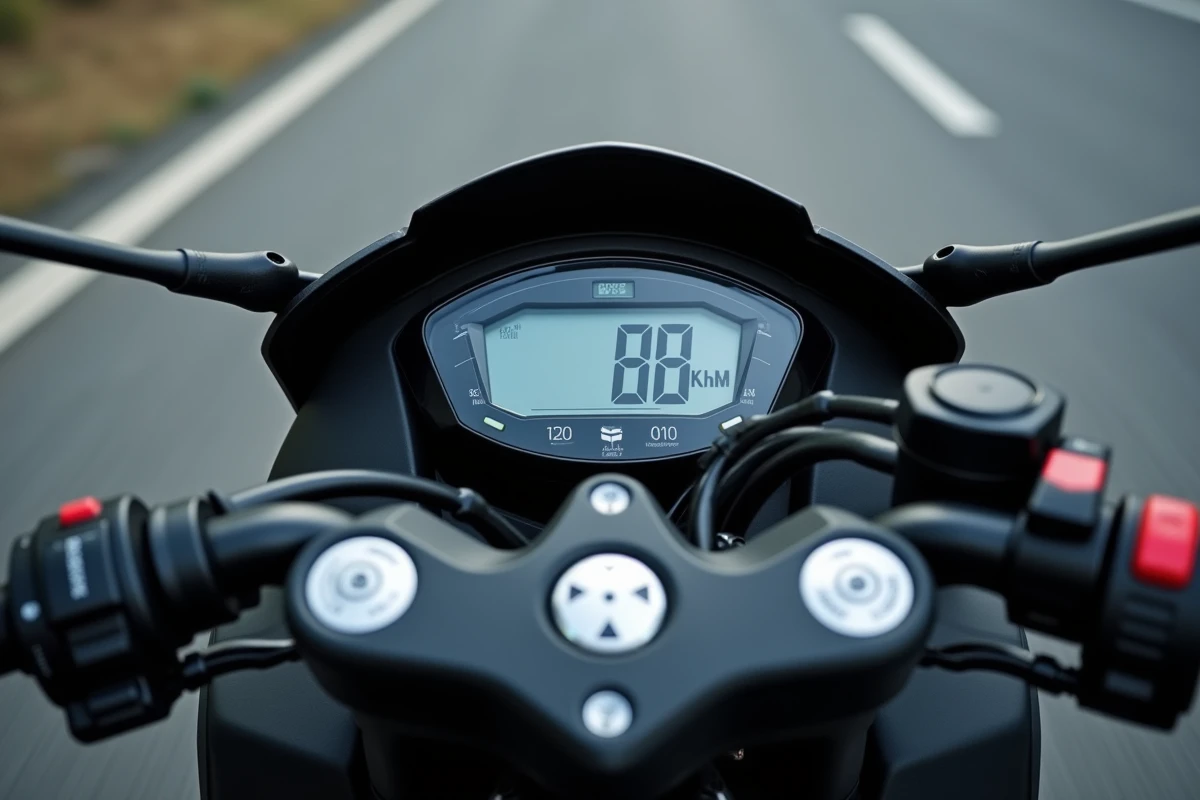
Maximum speed of the XMAX 125: what to expect after break-in
Once the break-in is complete, the question that comes up on all forums is about the speedometer. The XMAX 125 falls within a maximum speed range consistent with its category. We’re talking about a scooter capable of reaching speeds that make it comfortable on highways, without claiming to compete with a 300 cm3.
The top speed depends on the rider’s weight and road conditions. A lighter rider on flat terrain will achieve a few km/h more than a 90 kg rider facing the wind. Feedback varies on this point, with notable discrepancies in testimonies.
What positions the XMAX 125 as a reference in its segment is the balance between this top speed and riding comfort. Against the Honda Forza 125, the competition is tight. Both models vie for the top spot among GT 125s for the 2025-2026 model years, and the choice between them often comes down to ergonomics and behavior in the city rather than a few km/h difference in top speed.
Re-breaking in after engine overhaul: an unknown practice
Online content almost exclusively discusses the break-in of a new XMAX. In the field, another situation exists: break-in after a mechanical overhaul. Changing the top end, replacing the crankshaft, or reworking the transmission—these interventions reset the adjustment of the parts to zero.
A rebuilt engine requires a new break-in, even if the scooter already shows several tens of thousands of kilometers. Some owners deliberately apply gentle riding for several hundred kilometers after this type of intervention to ensure the longevity of the repair.
In the used market, this practice has an interesting effect. Sellers highlight that a rebuilt engine is “in break-in,” with invoices to back it up. The displayed break-in serves as proof of seriousness to reassure the buyer about the quality of the restoration. It is a concrete signal that distinguishes a well-documented listing from a scooter sold without a history.
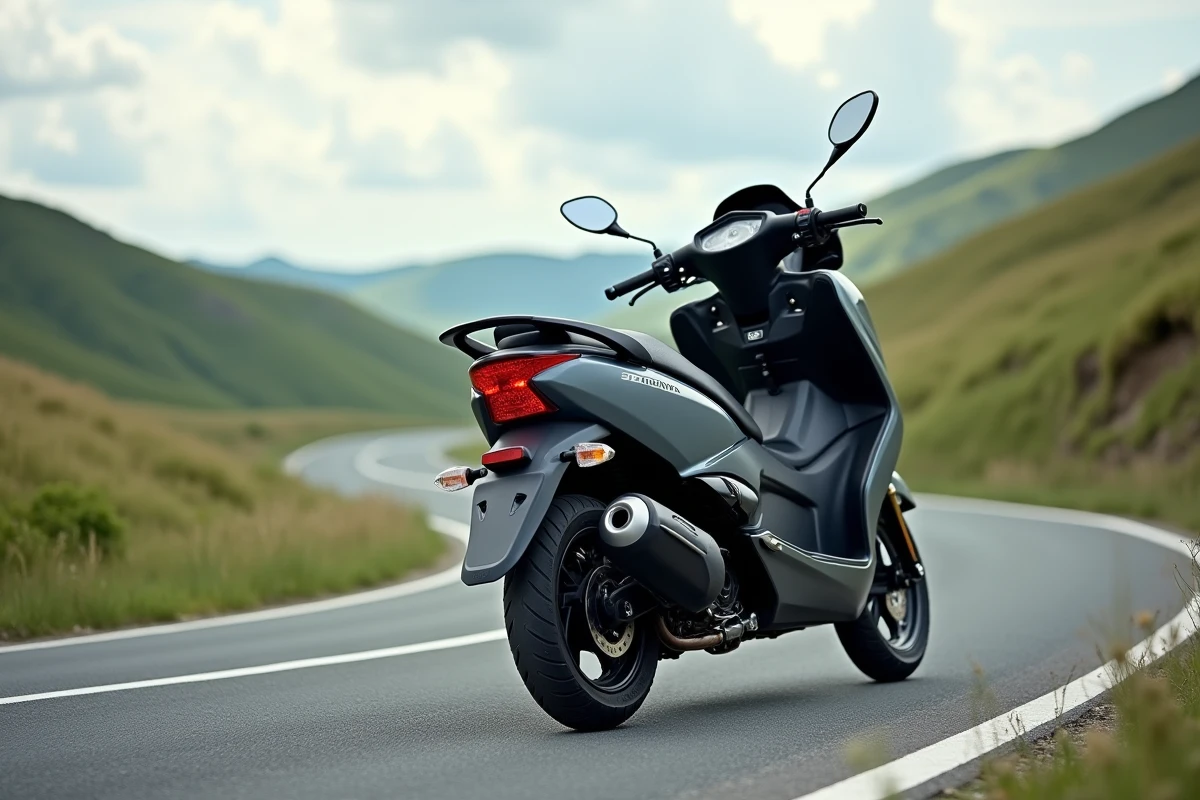
Modern machining tolerances: does the XMAX 125 break-in still make sense?
Engine manufacturers acknowledge that machining tolerances have become much finer than they were twenty years ago. Engine oils have also improved, with formulations that better protect new surfaces from the first turns of the crankshaft. Some professionals conclude that the break-in can be shortened or relaxed.
Shortened does not mean eliminated. Even with precise machining, metal surfaces have micro-roughness that must flatten under progressive load. Skipping the break-in risks premature wear that will only be detected much later, in the form of abnormal oil consumption or loss of compression.
The reasonable position: respect Yamaha’s stages without excessive paranoia. You don’t need to ride at 40 km/h for a month, but you also shouldn’t be wide open on the highway the first weekend.
First oil change and end of break-in
The first oil change typically occurs early, well before the usual interval. It helps remove metallic residues produced by the break-in of the internal parts. Skipping this step or delaying it directly compromises the benefits of the break-in performed.
Respecting the first oil change is as crucial as the break-in itself. The oil collects microscopic particles detached from the surfaces during adjustment. Keeping it too long turns these particles into an abrasive agent that works against the engine instead of protecting it.
The XMAX 125 remains a scooter designed to last, provided you give it these first kilometers of patience. Modern mechanics have simplified the process, but they haven’t eliminated its usefulness.