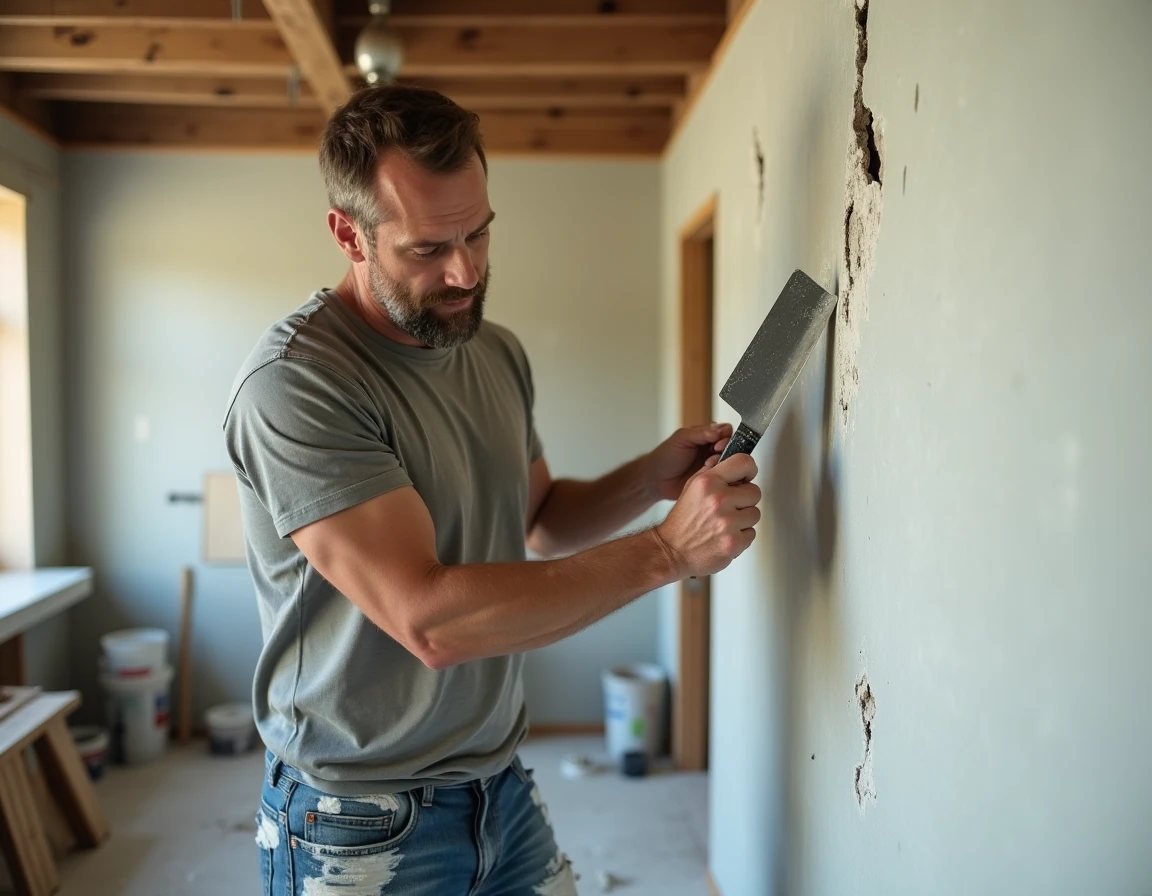
A load-bearing wall pierced without prior study, an oversized heat pump running idle, an electrical network patched up under brand new drywall: these mistakes are seen on renovation sites far more often than one might think. Successfully completing home renovation work relies less on the number of collected tips and more on the ability to make an honest technical diagnosis before touching the first wall.
Independent thermal study before energy renovation: the anti-cost-overrun filter

When planning to insulate the attic, replace heating, or install a double-flow ventilation system, the classic reflex is to request a quote from the installer. The problem is that this same installer sizes the equipment they sell. Recent feedback from networks of project managers and architects indicates a notable increase in counter-expertise for oversized heat pumps or insulation incompatible with existing ventilation.
The solution: have an independent thermal study conducted, disconnected from the equipment vendor. This study models the actual heat losses of the building, assesses the heating power needs, and checks the compatibility between insulation and air renewal. Without it, there is a risk of having equipment that is too powerful (which wears out in short cycles) or insulation that causes condensation due to inadequate ventilation.
For any project involving heavy thermal renovation, this upfront expense prevents actual performance from falling short of commercial promises and avoids the costs of rework. There are concrete examples on the work on Les Bricoleries de Nanie, which illustrate this type of preparatory approach well.
Order of renovation work: the technical sequence that avoids rework

The majority of costly rework on a home renovation site stems from a poorly orchestrated sequence of trades. Beautiful bathroom tiles are laid before the plumber has finished the embedded connections, and everything has to be broken up again. Or walls are painted before the electrical work is completed.
The top-down logic from structural work to finishes
The site is always read from top to bottom and from dirty to clean. The typical sequence looks like this:
- Demolition and structural work (openings, floor repairs, roof reinforcement) before any technical intervention.
- Embedded technical networks (plumbing, electricity, ventilation ducts) once the structure is stabilized, but before insulation and plaster.
- Insulation, partitioning, and screed, then only the floor coverings, painting, and installation of equipment (sanitary, lighting, outlets).
Each step must be accepted before moving on to the next. A dated photo at each phase, particularly of the networks before closing the partitions, constitutes valuable evidence in case of a dispute or subsequent damage.
Coordinate yourself or delegate to a project manager
If the project goes beyond simple refreshing (two trades or more working simultaneously), coordination becomes a real workload. A project manager or architect charges for this service but avoids scheduling gaps that extend the project by several weeks. Feedback varies on this point depending on the complexity of the project, but as soon as structural work or heating networks are involved, external coordination is justified.
Insurance and site acceptance: often neglected protections
One thinks about the materials budget, the artisans’ quotes, the choice of bathroom colors. Two safety nets that make all the difference in case of problems are almost systematically forgotten.
Check the ten-year insurance before signing
Any artisan working on the structure (building, roofing, waterproofing, embedded networks) must have valid ten-year insurance covering the year the work starts. Request the up-to-date certificate before signing the quote, not after. This requirement is increasingly checked during post-disaster assessments and sometimes conditions the level of compensation.
For DIY work, no ten-year insurance covers defects. If the property is sold within ten years, the buyer can directly turn against the seller for issues related to this work.
Acceptance report: the document that triggers guarantees
Site acceptance is a formal act, not a handshake. It is materialized by a report signed by the project owner (you) and the company. This document lists any reservations (cracks, finish defects, equipment not conforming to the quote) and activates legal guarantees.
Without a report, the guarantees of perfect completion and ten-year coverage are difficult to activate. Every visible defect is noted, photographed, and dated. The company then has a period to address the reservations.
Mediation for work: resolving a dispute without going to court
A disagreement over the final amount, significantly exceeded deadlines, a shoddy finish in the kitchen area: conflicts between individuals and artisans are common. Since the increase in work-related disputes recorded by consumer associations, specialized lawyers recommend using a consumer mediation platform (referenced by the DGCCRF) before taking any legal action.
This little-known step allows for resolving a significant portion of conflicts over quotes, deadlines, or defects without lengthy or costly procedures. The mediator examines the documents (quotes, invoices, photos, written exchanges) and proposes an amicable solution. If it fails, the assembled file serves as a solid basis for any potential legal proceedings.
Keeping all written exchanges with artisans (including messages) and archiving each version of the signed quote remains the best habit to adopt from the start of the renovation project. A well-documented site is always defended better than a site for which only memories remain.