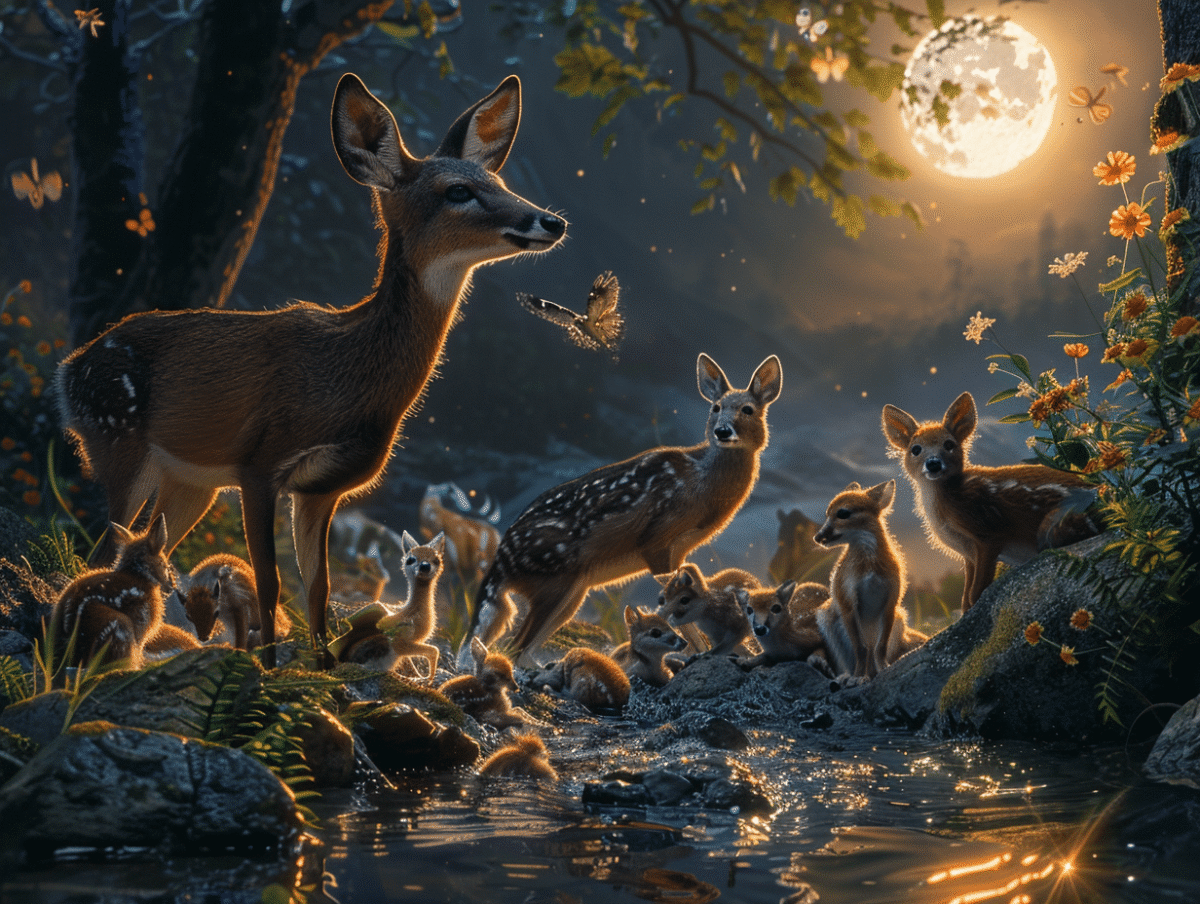
At night, a veil of mystery covers the natural world, revealing a dimension often unknown of biodiversity. This dark world is populated by species with unique lifestyles, adapted to darkness. Scientists are increasingly interested in these shadowy creatures, highlighting their fundamental ecological role and the complex interactions they maintain with their environment. From the smallest pollinating insect to the silent large predators, nocturnal life is a fascinating ecological ballet, essential to the balance of ecosystems but also vulnerable to environmental changes and light pollution.
The Amazing Nocturnal Biodiversity: Between Mystery, Ecology, and Interactions
The nocturnal biodiversity, this often-overlooked yet predominant component of life on Earth, frequently escapes the gaze of the general public. In the darkness, a multitude of nocturnal species, from the tiniest invertebrates to the most imposing vertebrates, orchestrate a life cycle essential to the sustainability of nocturnal ecosystems. Their existence, governed by the nycthemeral rhythm, is a major conservation issue, as it contributes to the balance of the food chain and influences phenomena such as bird migration.
Certainly, nights are populated by predators and prey, but they also harbor less visible yet equally significant actors. Think of fireflies, whose luminous dances enchant summer evenings and serve as ecological indicators. These insects, like many other nocturnal creatures, are threatened by light pollution, a scourge that disrupts their nycthemeral rhythm and, by extension, all nocturnal biological processes.
Cities, with their artificial lighting, become hostile zones for many species that inhabit the night. Intrusive light alters natural habitats, transforming spaces once conducive to nocturnal life into biological deserts. Urban biodiversity is thus reduced, and interactions between species, whether common or rare, are disrupted. Light pollution has a direct impact on the food chain, affecting not only animals but also plants, by disturbing nocturnal pollination and tree growth.
Be aware of this reality: the night is a space of biodiversity that deserves our attention and protection. The intertwining of lives that unfolds there is both fragile and essential. The preservation of nocturnal ecosystems requires reducing light pollution and respecting the natural day/night cycle. Initiatives and regulations regarding urban lighting must be encouraged and strengthened to ensure the survival of this rich yet discreet biodiversity.
The Challenges of Preserving Nocturnal Biodiversity in the Face of Light Pollution
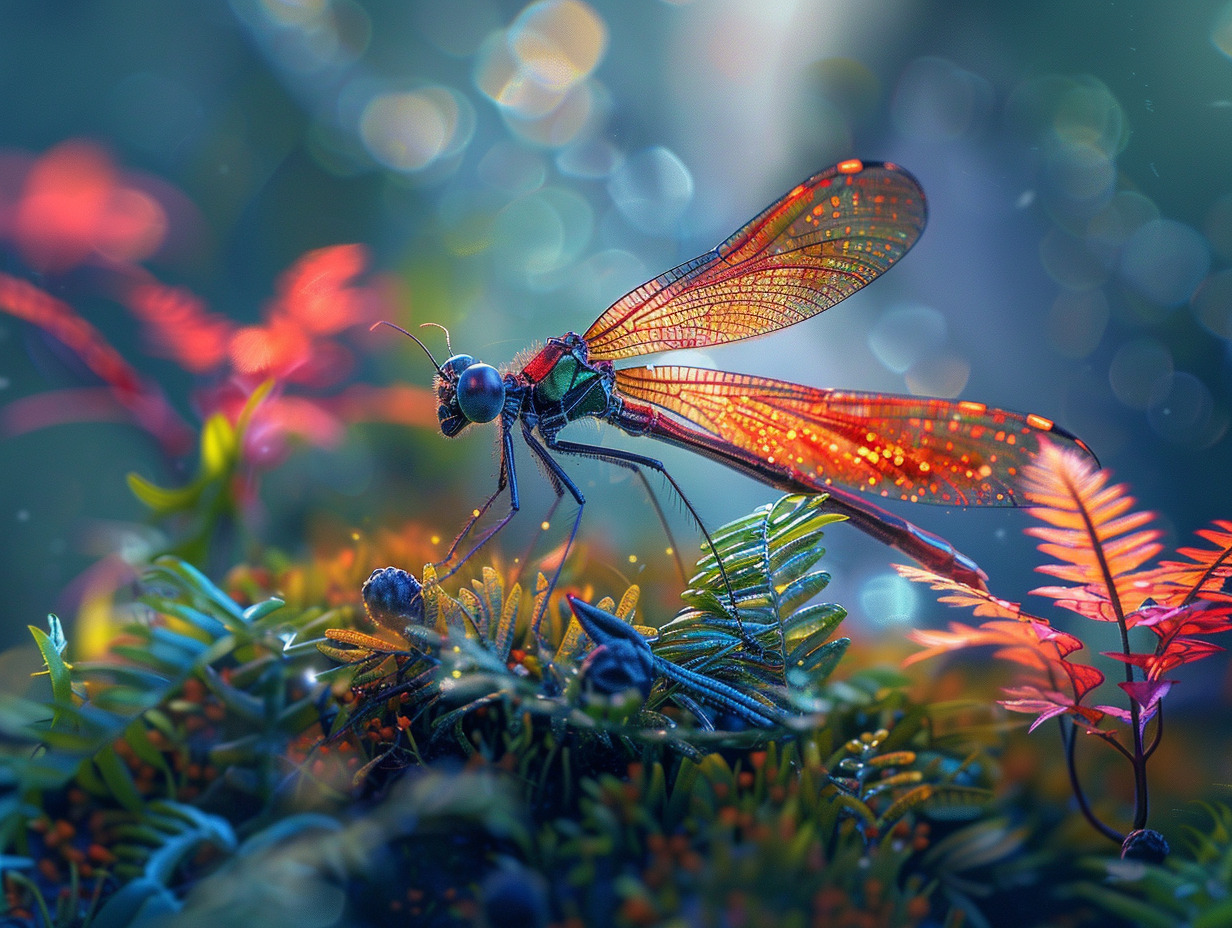
Light pollution represents an insidious threat to nocturnal biodiversity. The species that inhabit the shadows, from the most modest insects to majestic predators, are disoriented by the incessant artificial lighting. Organizations such as ANPCEN report with concern the disappearance of nocturnal insects, trapped in luminous halos. Biodiversity that depends on the natural day/night cycle, on the nycthemeral rhythm, is undergoing upheaval whose consequences ripple through entire ecosystems.
In response to this issue, initiatives are emerging. Events like the Night Day and Nights Without Light raise awareness among the public and decision-makers about the urgency of the situation. These initiatives aim to reduce light emissions during nighttime and promote behaviors respectful of the natural night. Civil society, alongside organizations like B&L évolution, is working towards the adoption of strategies aimed at reducing light pollution, thereby contributing to the maintenance of species diversity and the protection of vital ecological corridors.
The legislative framework is also active. The Law for the Reconquest of Biodiversity, by introducing the concept of a dark framework, addresses the fragmentation of nocturnal habitats. The Order of January 25, 2013, limits light nuisances from non-residential buildings. These measures, although improvable, lay the groundwork for regulations that, in synergy with citizen initiatives and environmental awareness, serve as a bulwark against the erosion of nocturnal biodiversity caused by excessive artificial light.