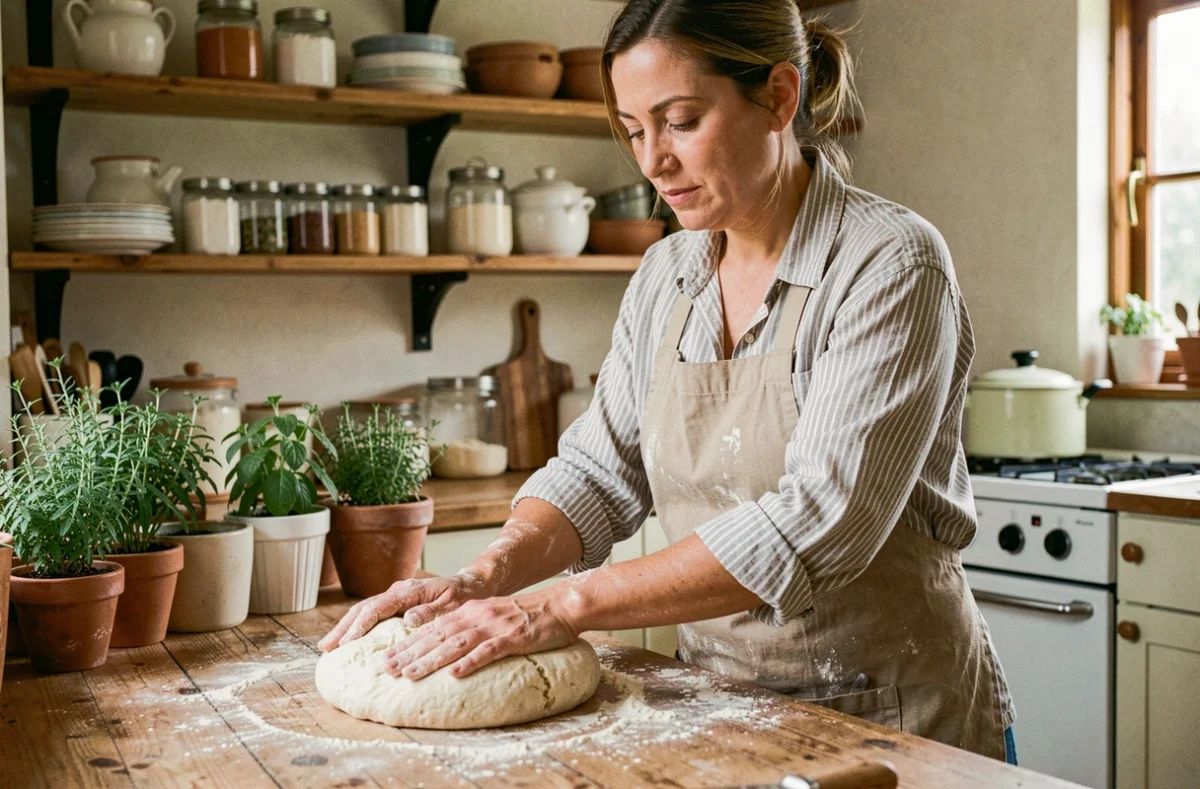
The success of a daily family meal relies less on the number of homemade recipes and more on mastering a few technical basics: managing cooking times, balancing textures, rotating proteins. A simple and delicious dish for the whole family is based on precise choices of ingredients and methods, not on the accumulation of interchangeable recipes.
Sauce base and aromatic foundation: the technical cornerstone of quick family meals
A gratin, a pasta dish, or a sautéed vegetable mix can go from acceptable to delicious thanks to the aromatic base. Onion, garlic, celery (the classic mirepoix) or onion, carrot, bell pepper: these trios form the flavor foundation of most everyday recipes.
Preparing this base in bulk on Sunday and then portioning it into bags for the freezer reduces active cooking time during the week to just a few minutes. Each portion can be deglazed in the pan with a splash of white wine, broth, or simply water, depending on the intended dish.
For thick sauces (béchamel for a vegetable gratin, tomato sauce for a chicken dish), the roux should be cooked over medium heat for at least two minutes before adding the liquid. This cooking time eliminates the floury taste often found in many failed gratins. A cheese pasta gratin made with a well-executed béchamel is worlds apart from a version simply thickened with milk.
Detailed and accessible recipe ideas are gathered on mimilacocotte.fr, where each family dish is designed for everyday life without compromising on taste.
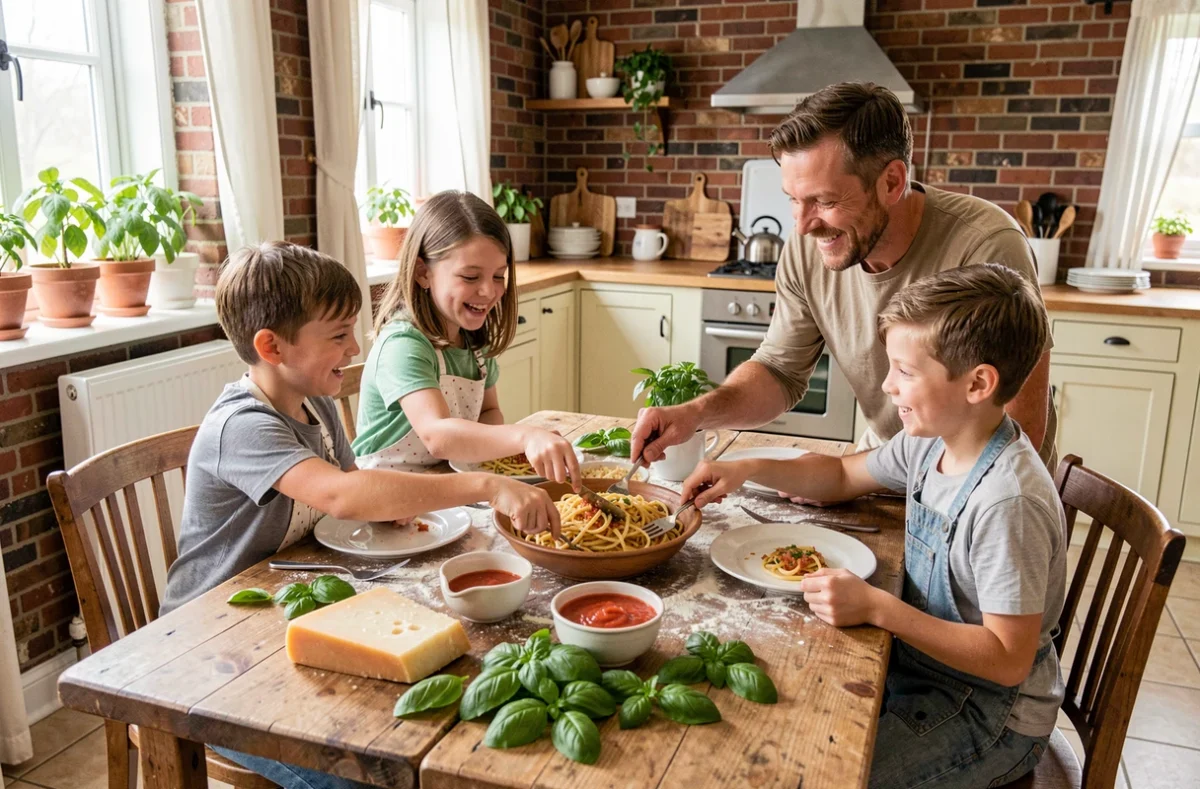
Daily proteins: rotating chicken, legumes, and eggs for the week
Alternating protein sources throughout the week changes the nutritional quality of meals without complicating grocery shopping. Anses recommends increasing the consumption of legumes and whole grains. Starting January 2024, collective restaurants serving an average of more than 200 covers per day must establish a multi-year plan for diversifying proteins, and school cafeterias offer at least one vegetarian menu per week.
This logic directly translates to family cooking. A realistic rotation scheme for five evenings:
- Two evenings centered around chicken (roasted thigh with rice and soy sauce, or sliced in a vegetable sauté with pasta) for their cost/ease ratio
- One evening for legumes: red lentils in thick soup, roasted chickpeas with spices, or white beans in a gratin with grated cheese
- One evening for eggs: stuffed omelet, vegetable frittata, or baked eggs with cream
- One evening for fish or a complete vegetarian meal depending on the budget and season
Dry legumes cook faster than one might think when soaked the night before. Red lentils, on the other hand, require no soaking and cook in under fifteen minutes, making them an excellent weekday ingredient.
Cooking and texture: gratin, sauté, and stew in under thirty minutes
The distinction between a mundane meal and a dish that the whole family asks for again often lies in the final texture. The contrast between a crunchy element and a melting element is the most effective lever in everyday cooking.
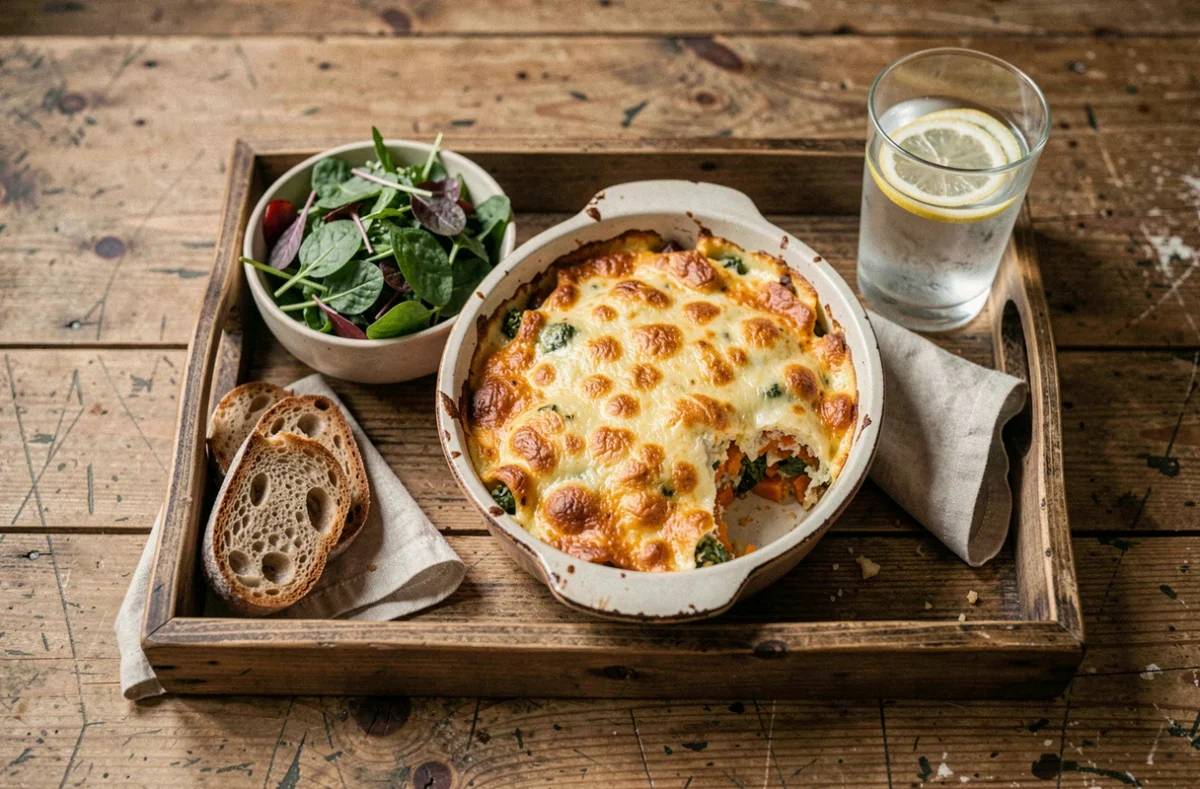
For a vegetable gratin, cutting the vegetables into even slices (no more than five millimeters) ensures even cooking. The layer of grated cheese should not be too thick: it should gratin, not smother the vegetables underneath. A stint under the broiler during the last three minutes of cooking gives that golden crust that makes all the difference.
Vegetable sautés require a hot pan and ingredients added in order of cooking time. Carrots first, then zucchini, then leafy vegetables at the end of cooking. Overloading the pan causes the vegetables to steam instead of sauté. Work in two batches if the quantity demands it.
Quick stews do exist, contrary to popular belief. A mustard chicken sauté with cream and mushrooms cooks in twenty minutes in a covered sauté pan. The sauce reduces while the rice or pasta cooks alongside. This type of homemade recipe feeds four people with pantry ingredients.
Storing leftovers and waste management in family cooking
Anses recommends not leaving prepared dishes at room temperature for more than two hours before refrigerating. For large quantities (a whole gratin, a pasta dish with sauce), dividing into small portions speeds up cooling and limits bacterial growth.
This portioning reflex has a double advantage: it secures preservation and creates ready-to-reheat meals for those evenings when time is completely lacking. A leftover roast chicken from Sunday becomes a quiche filling on Tuesday, or an ingredient for a mixed salad on Wednesday lunchtime.
- Soups and broths freeze well in glass jars (filled three-quarters full to prevent bursting)
- Gratins reheat better in the oven than in the microwave, which softens the crust
- Homemade tomato sauces gain flavor after a night in the refrigerator, making them an excellent candidate for Sunday batch cooking
We find that household food waste concerns both uneaten leftovers and ingredients bought in excess. Planning weekly meals around three or four main ingredients (a seasonal vegetable, a protein, a starch, a cheese) reduces unnecessary purchases and simplifies the shopping list.
A successful family meal on a daily basis relies on the repetition of mastered techniques, not on constant novelty. Five or six well-practiced recipes, tailored to everyone’s tastes and executed with solid foundations, cover most weeknight dinners without boredom or stress.