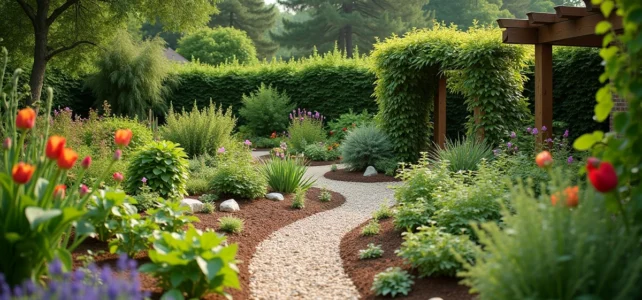
An ecological garden is based on a simple principle: to work with the natural cycles of soil, water, and life rather than against them. Creating such a space at home does not require rethinking everything at once, but rather applying specific techniques that reduce maintenance and enhance biodiversity. Here are ten concrete ideas to transform your outdoor area into a harmonious and sustainable ecosystem.
Several of these approaches rely on principles of permaculture and responsible water management, already documented on the garden on the Maisons Alternatives site, which details the fundamentals of environmentally friendly landscaping.
1. Organize the space by zoning according to foot traffic frequency
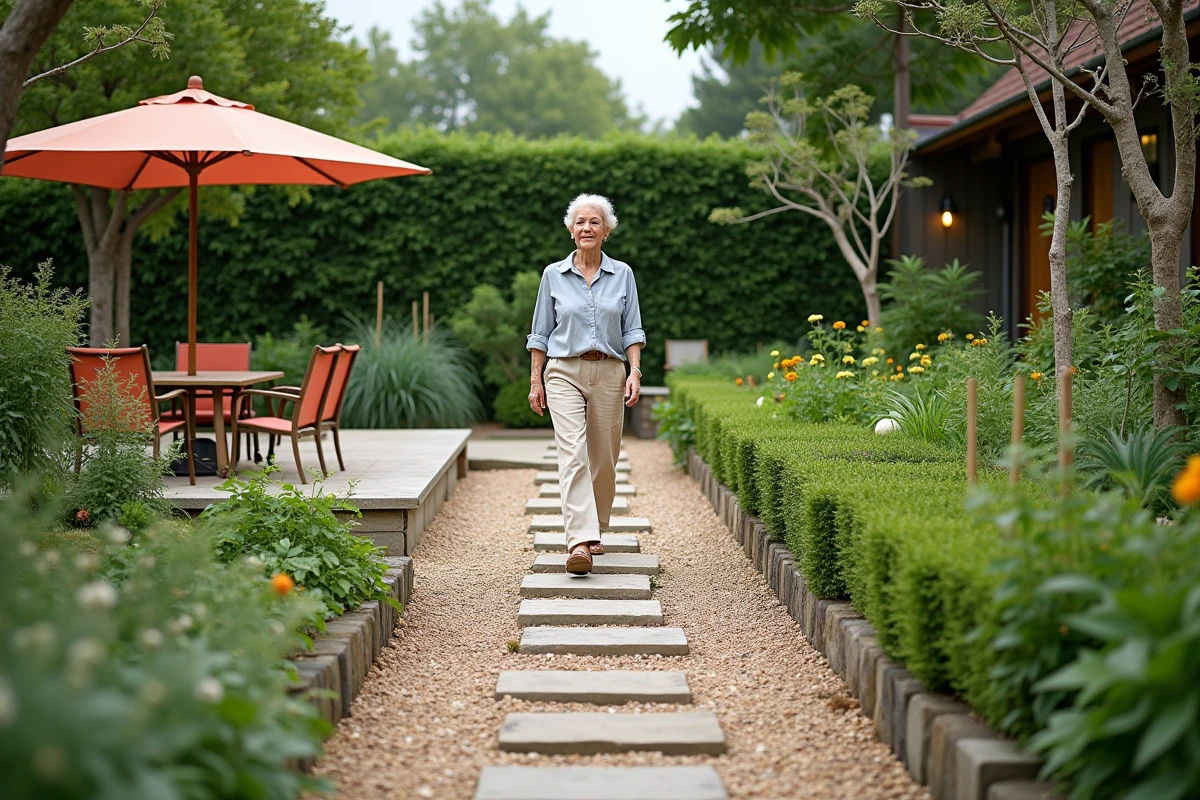
Permaculture zoning involves dividing the garden into numbered zones from 0 (the house) to 5 (the wild area). Plants and activities that require daily attention, such as the herb garden, are placed closest to the kitchen door.
Less visited areas (orchard, wild hedge, woodpile for wildlife) are pushed to the back of the property. This organization reduces unnecessary movement and watering, as each zone receives a level of care suited to its distance.
2. Plant native species adapted to the local climate
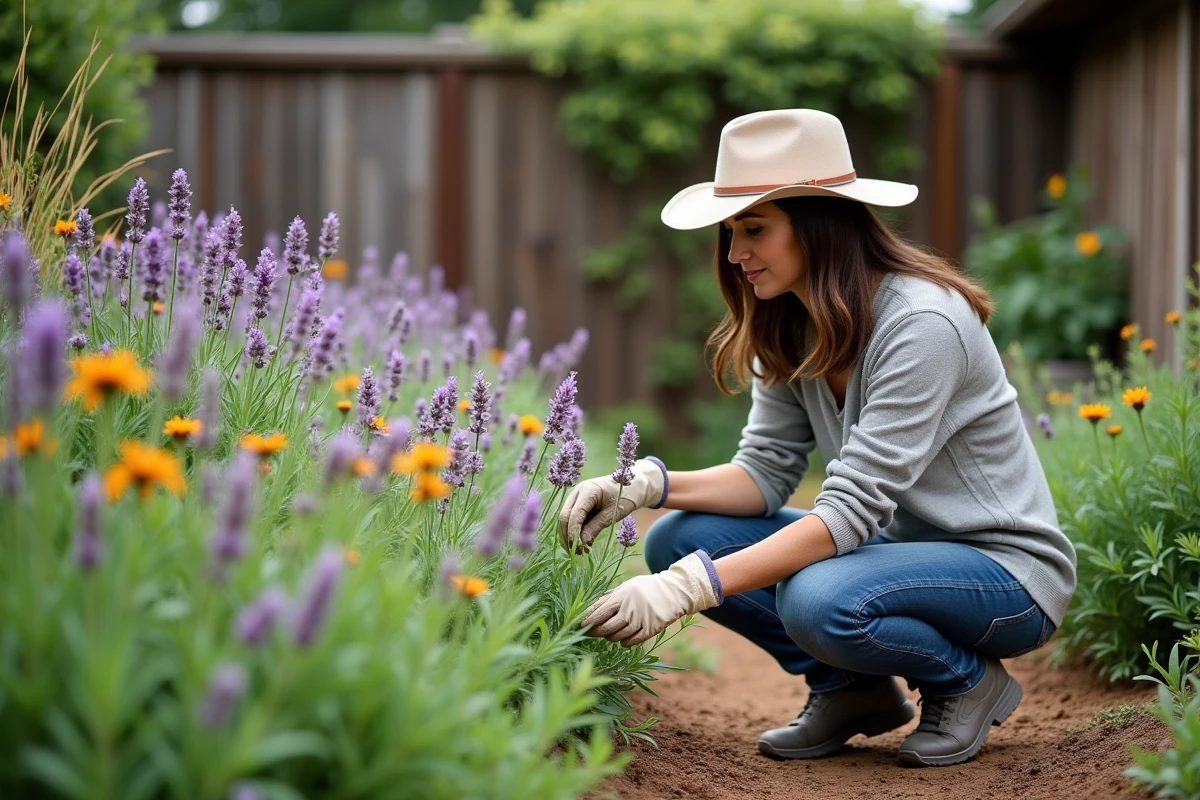
Native plants are those that have grown naturally in your region for centuries. Their main advantage: they withstand local droughts and frosts without chemical fertilizers or pesticides.
They also provide a reliable food source for pollinators and birds. Consult local nurseries that grow regionally sourced plants, rather than imported horticultural varieties that often struggle to acclimate.
3. Reduce lawn areas in favor of ground covers
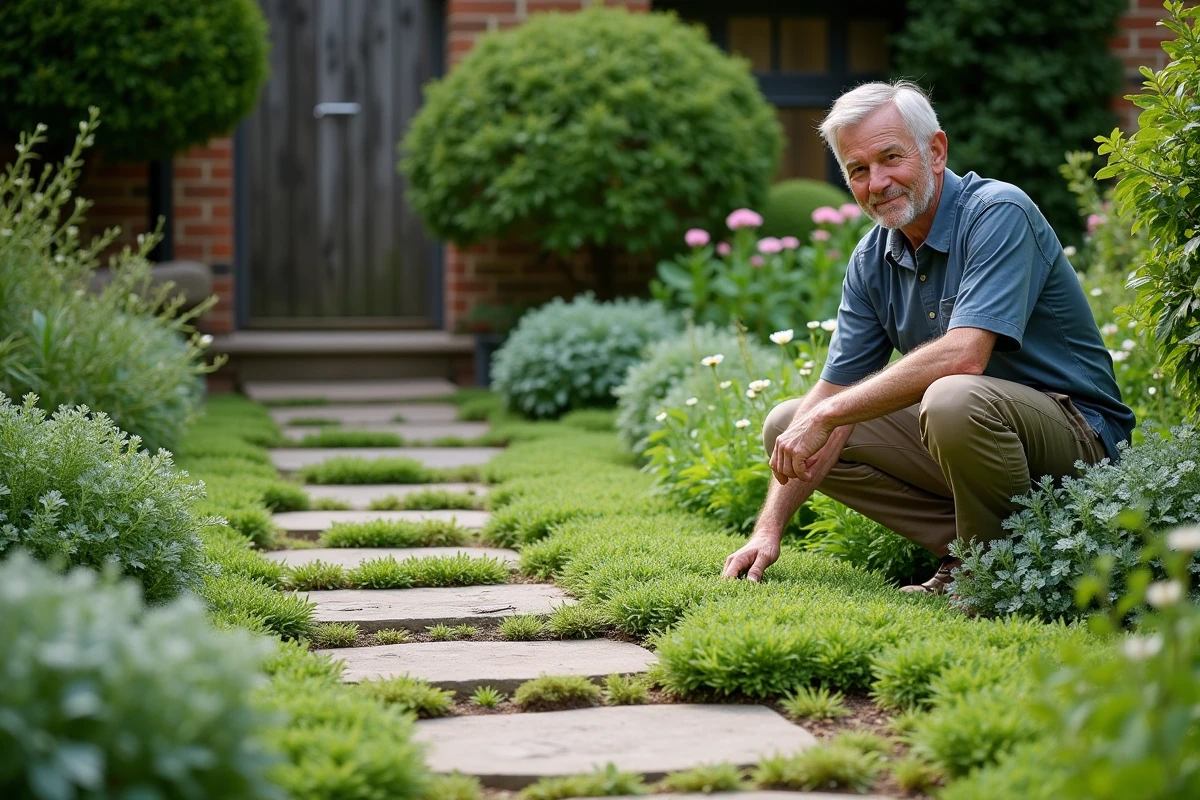
Short mown grass consumes a lot of water and depletes soil biodiversity. Replacing part of the lawn with ground covers (creeping thyme, white clover, yarrow) reduces watering and eliminates frequent mowing.
The remaining lawn areas can be mowed higher, at eight to ten centimeters, to encourage deep rooting and limit drying out in summer. Less lawn means less maintenance and more plant diversity.
4. Install a rainwater harvesting system
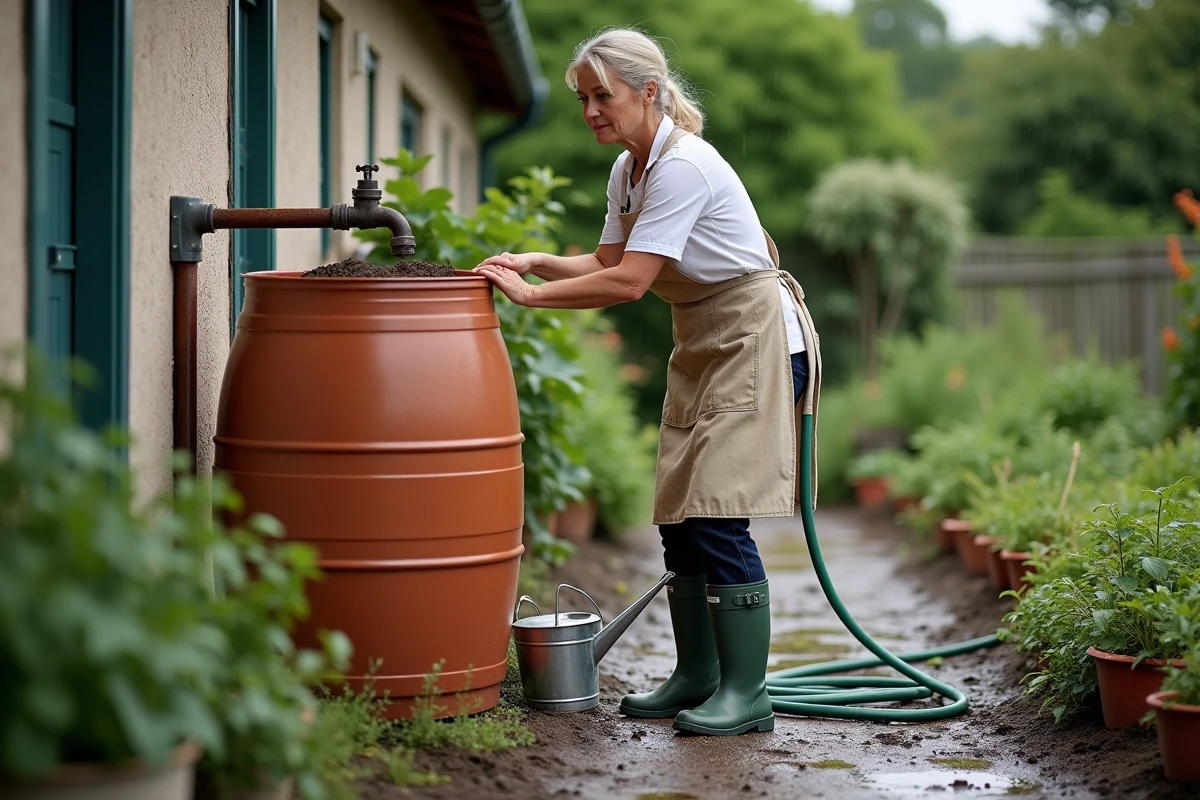
Rainwater, free and untreated, is perfect for watering the vegetable garden and flower beds. A tank connected to the house’s gutters collects a significant volume over a season.
To go further, complementary techniques enhance the efficiency of this collection:
- Thick mulch at the base of plants limits evaporation and keeps the soil cool
- Watering basins dug around shrubs direct water to the roots
- Low-pressure drip irrigation connected to the tank distributes water without waste
5. Nourish the soil through composting and mulching
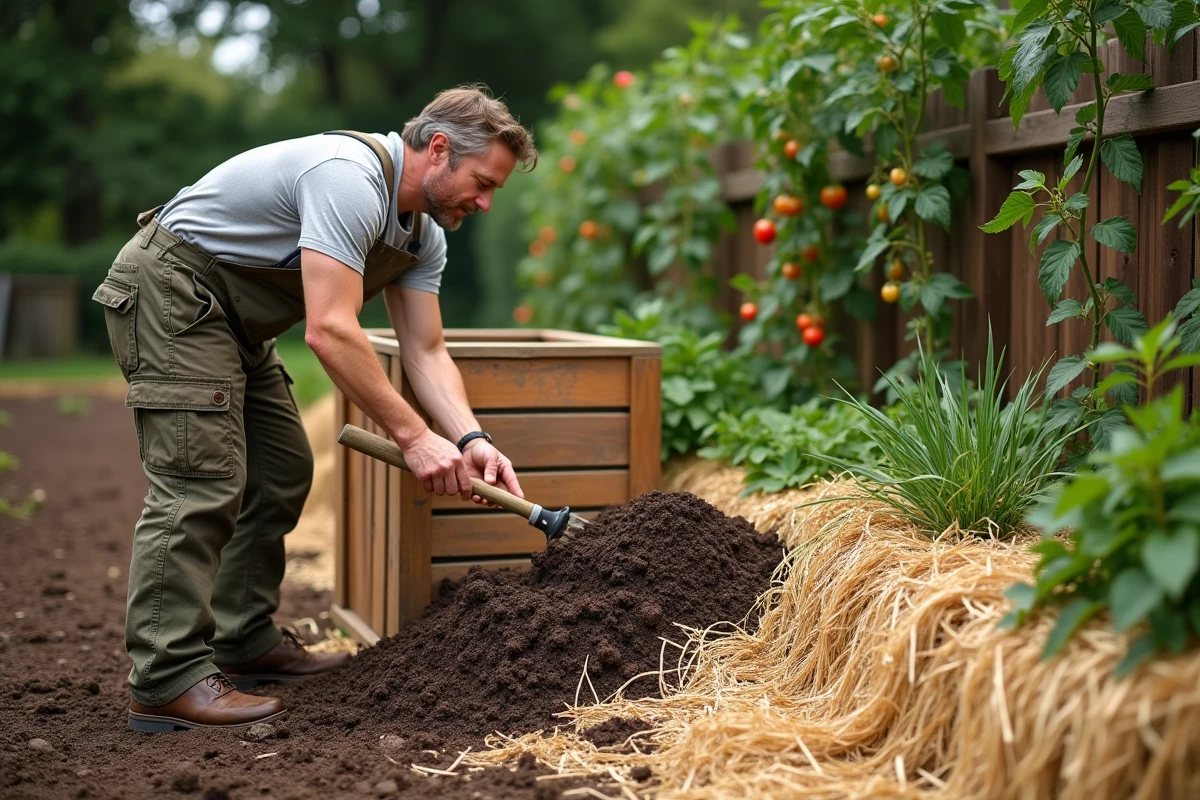
A living soil is the foundation of an ecological garden. Composting green waste and kitchen scraps transforms leftovers into rich amendments, nourishing soil microorganisms rather than the plant directly.
Organic mulching (wood chips, dead leaves, straw) protects bare soil from erosion and temperature fluctuations. As it decomposes, it enriches the top layer of soil with humus, improving its ability to retain water.
6. Create cool islands with vertical greening
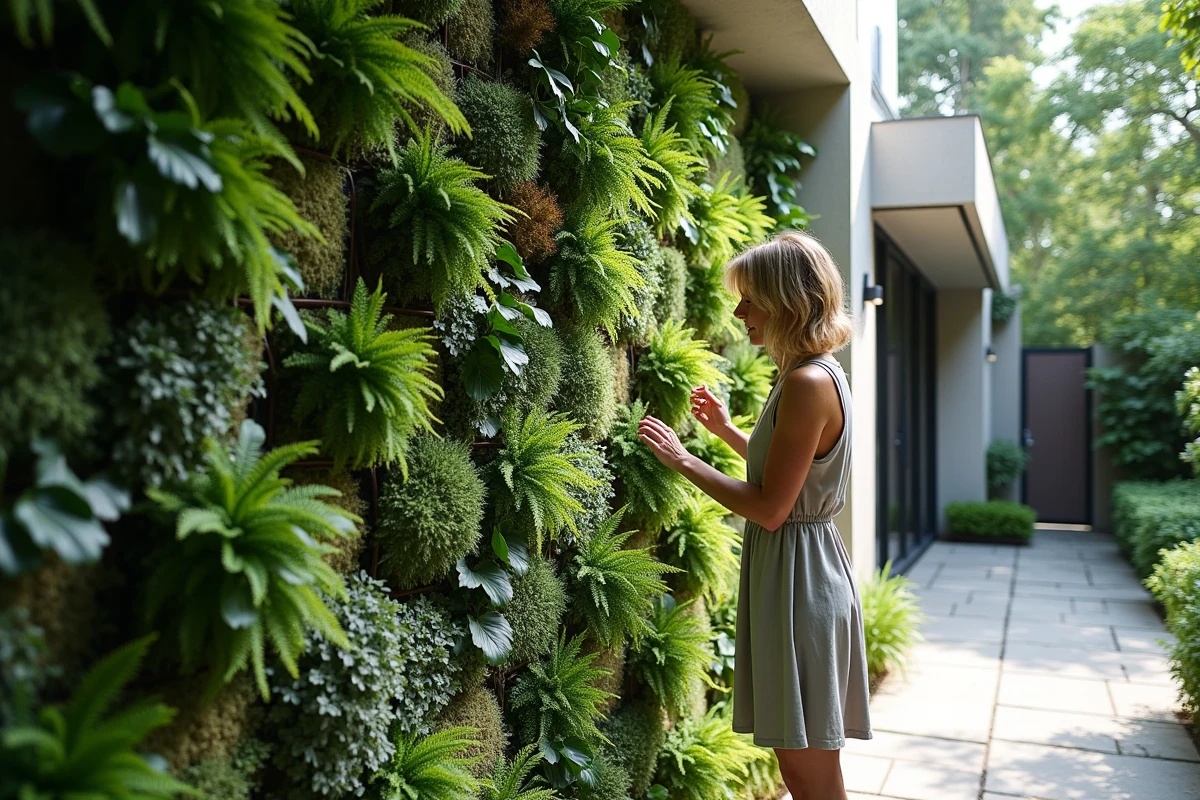
Climbing plants on a pergola, trellis, or south-facing wall lower the perceived temperature in the garden during heat waves. Vertical greening also visually enlarges a small space by adding volume without encroaching on the ground.
Climbing plants like virgin vine or star jasmine are effective solutions. They create natural shade while providing refuge for beneficial insects and nesting birds.
7. Create a pond or natural water point
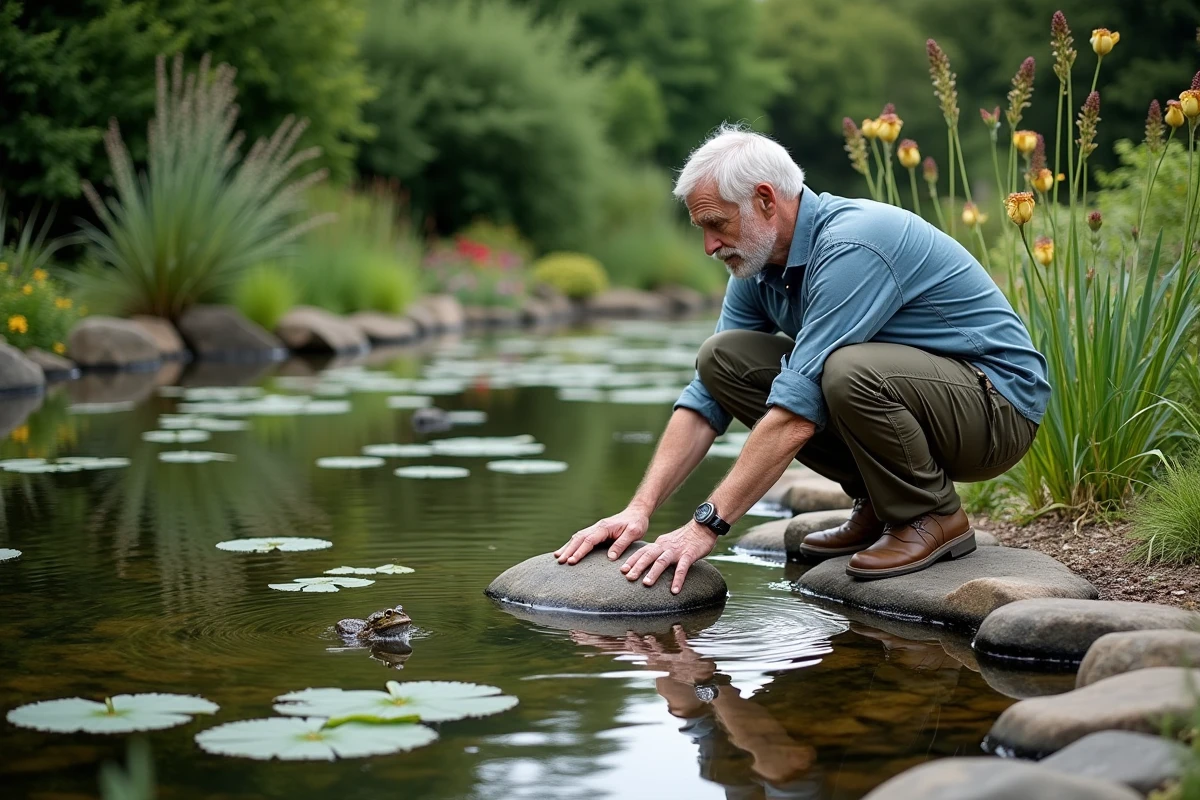
Even a modest-sized water point attracts a variety of wildlife: dragonflies, frogs, hedgehogs, and birds come to drink or breed. An ecological pond operates without a pump or chemicals, thanks to filtering aquatic plants like marsh irises or reeds.
Provide a gently sloping bank to allow small animals to easily exit. This simple arrangement significantly enhances the garden’s ecosystem.
8. Use natural and local materials for landscaping
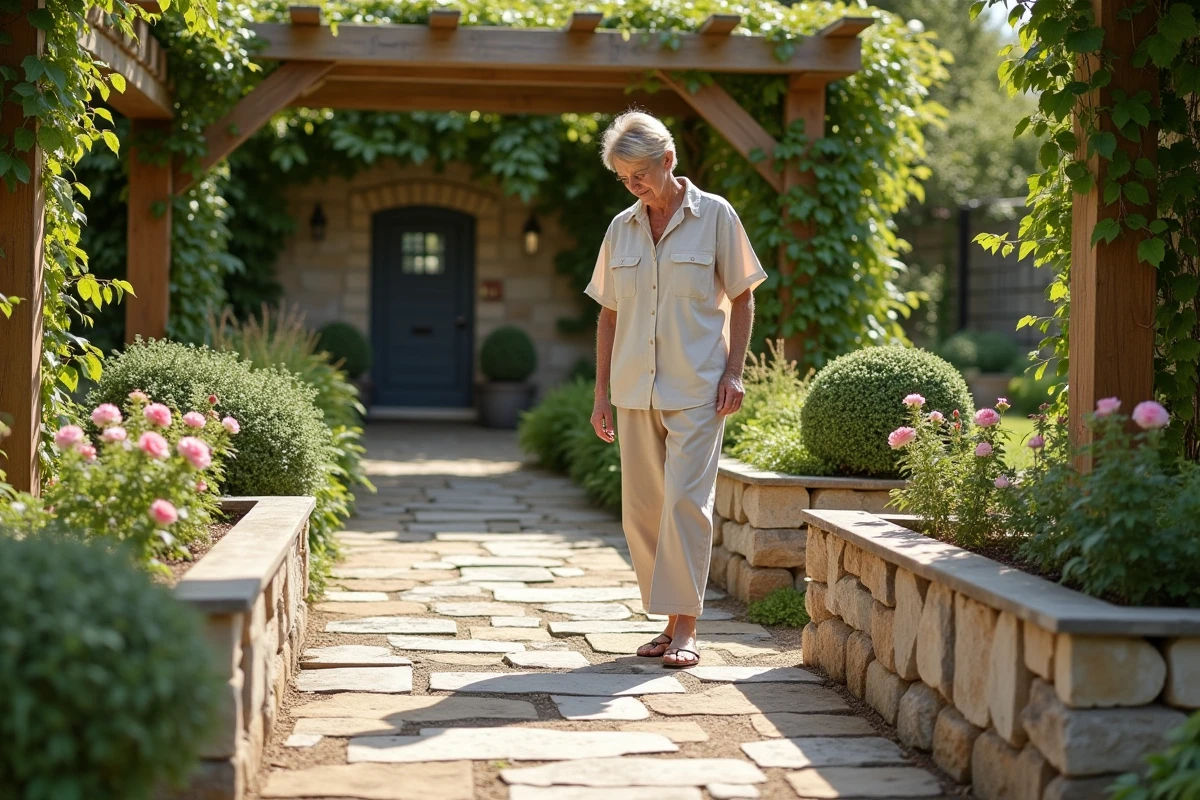
Borders, pathways, and walls benefit from being made of natural materials (local stone, untreated wood, draining gravel) rather than concrete or plastic. These materials visually integrate into the landscape and age without polluting the soil.
Dry stone walls also serve as shelters for lizards and insects. Reclaimed wood (pallets, construction boards) can be transformed into raised beds or borders for the vegetable garden.
9. Dedicate a wild area to biodiversity
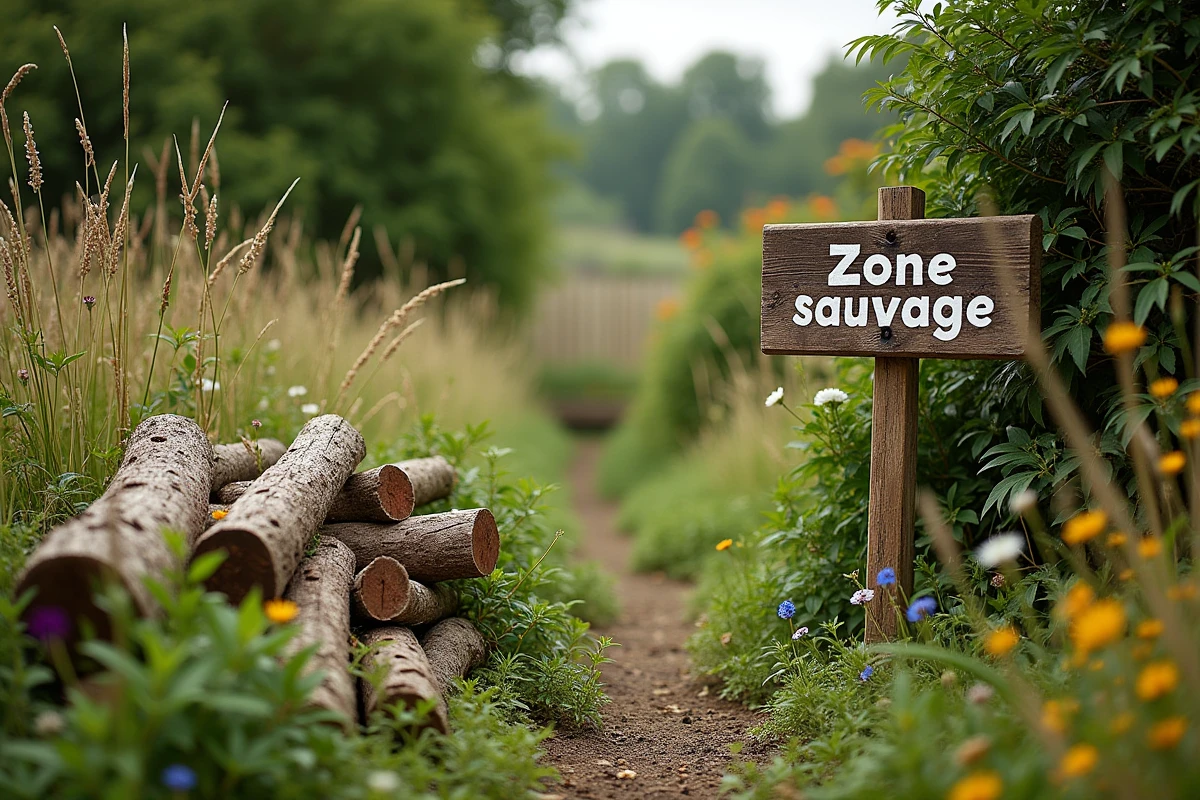
Leaving a corner of the garden to evolve freely, without mowing or intervention, provides habitat for garden helpers. A woodpile, a pile of stones, and tall grasses are enough to host hedgehogs, ground beetles, and lacewings, natural predators of vegetable garden pests.
This area is not an abandoned space but a reservoir of biodiversity that regulates pest populations without any chemical inputs. Located at the back of the property, it does not interfere with traffic or the overall aesthetics.
10. Design the garden as a complete living space
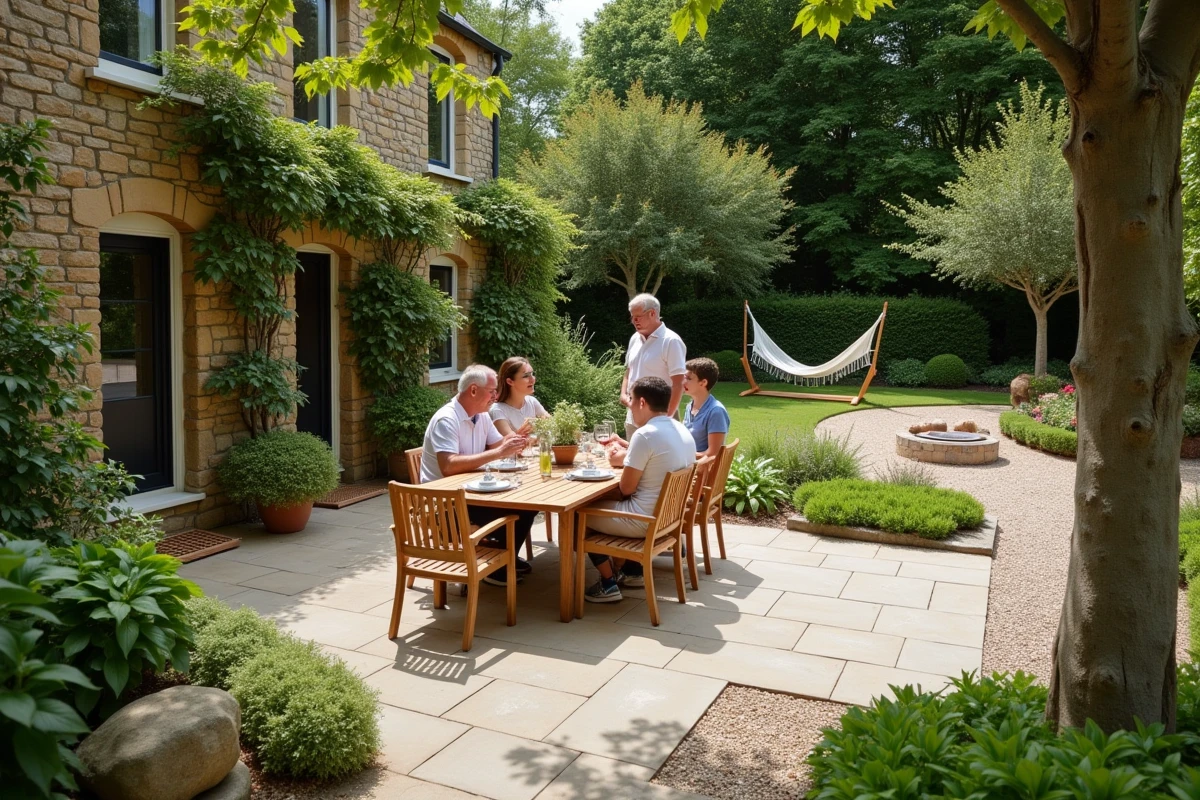
An ecological garden is not limited to plantings. Landscape architects now design the exterior as an extension of the home, with dining, resting, and play areas integrated into the vegetation.
Combining a terrace made of durable materials with a raised vegetable garden, a reading nook under a green pergola, and a play area in natural grass transforms the garden into a daily living space. This holistic approach encourages spending time there, which motivates regular and attentive maintenance.
Each of these ten ideas can be implemented gradually, season after season. The most effective approach is to start with the soil (composting, mulching) and zoning, as these two foundations condition the success of everything else.