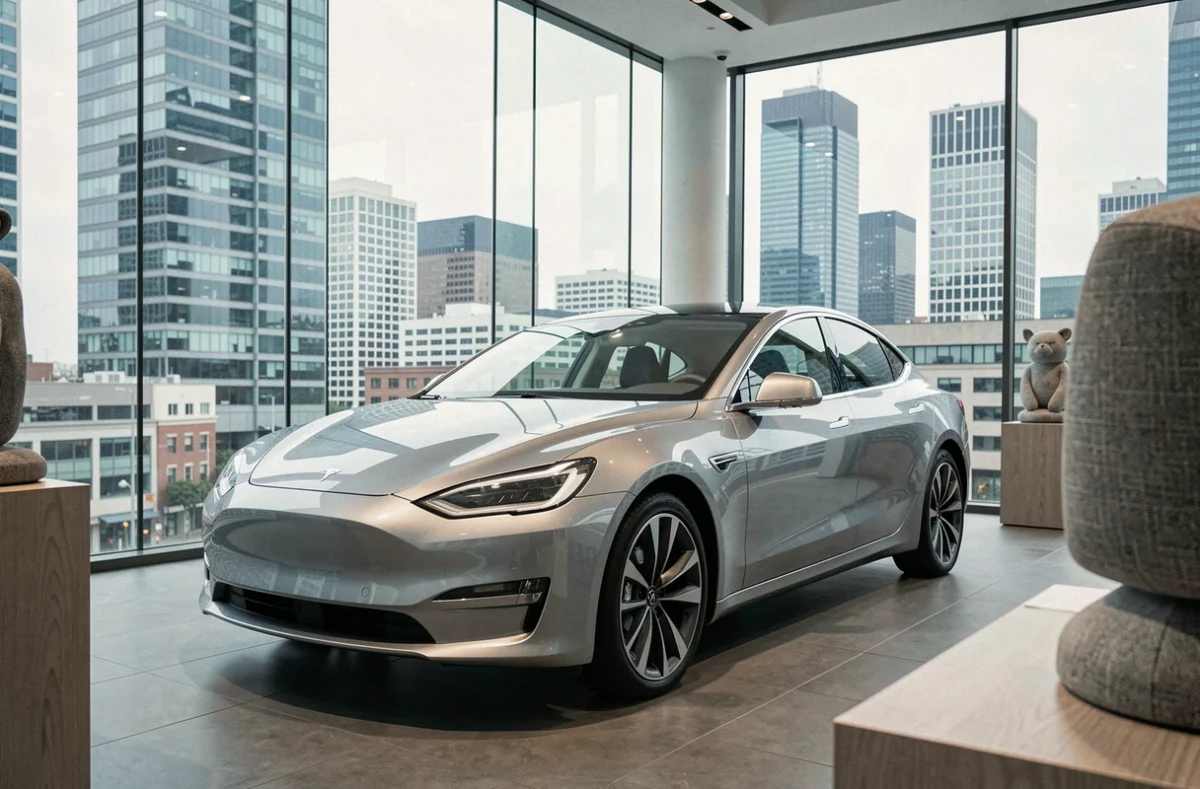
The French automotive market is undergoing a period of rapid restructuring. Between the rise of electric vehicles, trade tensions between the European Union and China, and new regulations that will soon govern charging, changes are happening on multiple fronts simultaneously. Distinguishing between weak signals and real turning points requires cross-referencing several sources and scales.
AFIR Regulation and Electric Charging: What Changes on January 1, 2027
The issue of charging is no longer limited to the number of charging stations installed. A major regulatory evolution will change the way drivers pay and communicate with the infrastructure. The European AFIR regulation, some provisions of which come into effect on January 1, 2027, aims to reduce dependence on proprietary badges and subscriptions.
The goal is to harmonize data exchanges between vehicles and charging stations, so that a driver can charge without a prior contract, with widespread credit card payment. On paper, this simplifies the user experience. In practice, feedback from the field diverges on operators’ ability to bring their equipment into compliance within the deadlines.
Following automotive news on Starlight Infos helps to understand how these regulatory changes translate concretely for drivers on a daily basis.
The real challenge is now shifting from the total number of charging stations to their power, reliability, and geographical distribution. Rural and suburban areas remain under-equipped, while highway corridors concentrate investments. This asymmetry hinders the adoption of electric vehicles in regions where cars are most used.

Chinese Hybrid Vehicle Exports: The Standoff with Brussels
The European Union has opened a new front in its trade negotiations with Beijing. Brussels has reportedly asked China to agree to a voluntary cap on hybrid vehicle exports to about 15% of the European market. Tariff measures are still being considered in case discussions fail.
This is no longer just a matter of tariffs on electric cars. Europe is also working on local content requirements and low carbon emissions in public procurement and subsidized schemes. The idea is to condition access to aid on partial European production.
European Manufacturers Facing Chinese Prices
Manufacturers like Volkswagen, Renault, or Peugeot find themselves in an ambiguous position. They need Chinese components (batteries, electric motors) while demanding protection against imported finished vehicles. The Volkswagen group, for example, produces a significant share of its vehicles in China for the local market, complicating any uniform protectionist stance.
The available data does not yet allow for measuring the real impact of a 15% cap on dealership prices. However, pressure on entry-level prices is already visible: the competition between the Citroën e-C3 and the Dacia Spring below the 20,000 euro mark illustrates this race to low prices that Chinese brands have helped accelerate.
Automated Driving in Europe: A Stalled Approval Process
The anticipated vote on the pan-European authorization of Tesla’s supervised driving system has been postponed. This delay illustrates Europe’s difficulty in harmonizing approval rules for automated driving. The regulatory framework remains fragmented, with each country retaining margins of interpretation on the levels of autonomy allowed.
Premium manufacturers like BMW are investing heavily in these technologies but cannot deploy them uniformly across the continent. The gap between the onboard technical capabilities and what the law allows creates measurable frustration among buyers of high-end models.
What This Means for the French Market
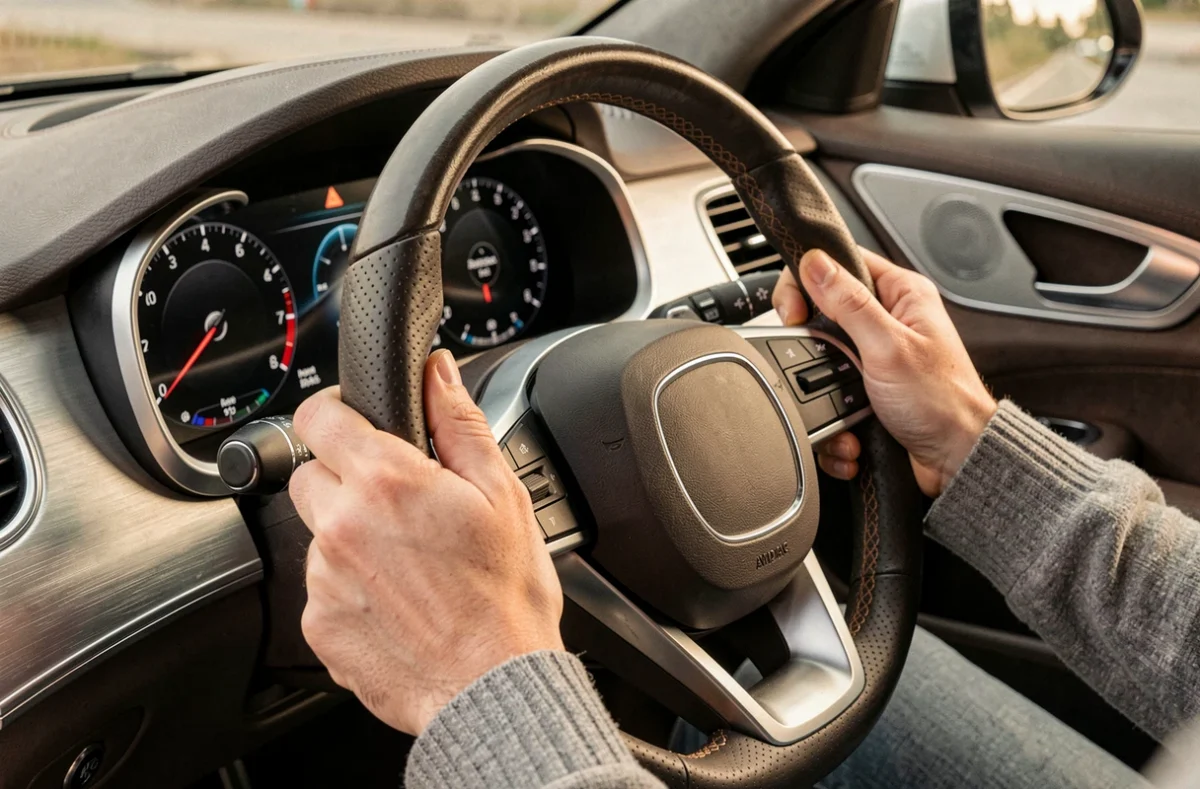
In France, level 3 autonomous driving (hands-free under certain conditions) remains confined to regulated experiments. Announcements from manufacturers about advanced features hit a regulatory wall that is unlikely to budge for several years. Buyers who pay for assisted driving options are therefore using only a fraction of their vehicle’s software capabilities.
- Level 2+ (active assistance with driver supervision) is the maximum legal level on open roads in France, across all manufacturers.
- The postponement of the European vote on the Tesla system pushes back any significant regulatory evolution to an undetermined date.
- Manufacturers are integrating hardware (sensors, cameras) into new vehicles in anticipation of future authorization, which raises the price without immediate benefit for the buyer.
Used Car Market: Contradictory Signals in September
The new car market was recovering in September, while the used market showed an opposite trend. Vehicles aged 5 to 7 years, produced during the Covid period (reduced production, limited stocks), are experiencing a sharper decline. Young used cars under 2 years old are also decreasing, competing with more competitive new offers.
This inversion is significant. For several years, the shortage of new vehicles had artificially inflated prices and volumes in the used market. The ongoing rebalancing is reshuffling the cards for both buyers and distribution professionals.
Used Cars and Ethanol Vehicles: A Documented Trap
The purchase of a used vehicle equipped with an E85 ethanol kit attracts many buyers due to the price per liter. However, the risks are real:
- The manufacturer’s warranty may be weakened or canceled if the kit is not approved for the specific model of the vehicle.
- Registration constraints vary by prefecture, with documented refusals for certain aftermarket installations.
- The long-term engine reliability remains debated, particularly regarding gaskets and injectors exposed to a more corrosive fuel.
The online automotive market now allows tracking these developments almost in real time. The ads, tests, and comparisons published by specialized media provide a level of information that did not exist ten years ago. The difficulty is no longer accessing data, but differentiating structural trends from media noise in a constant flow of news.