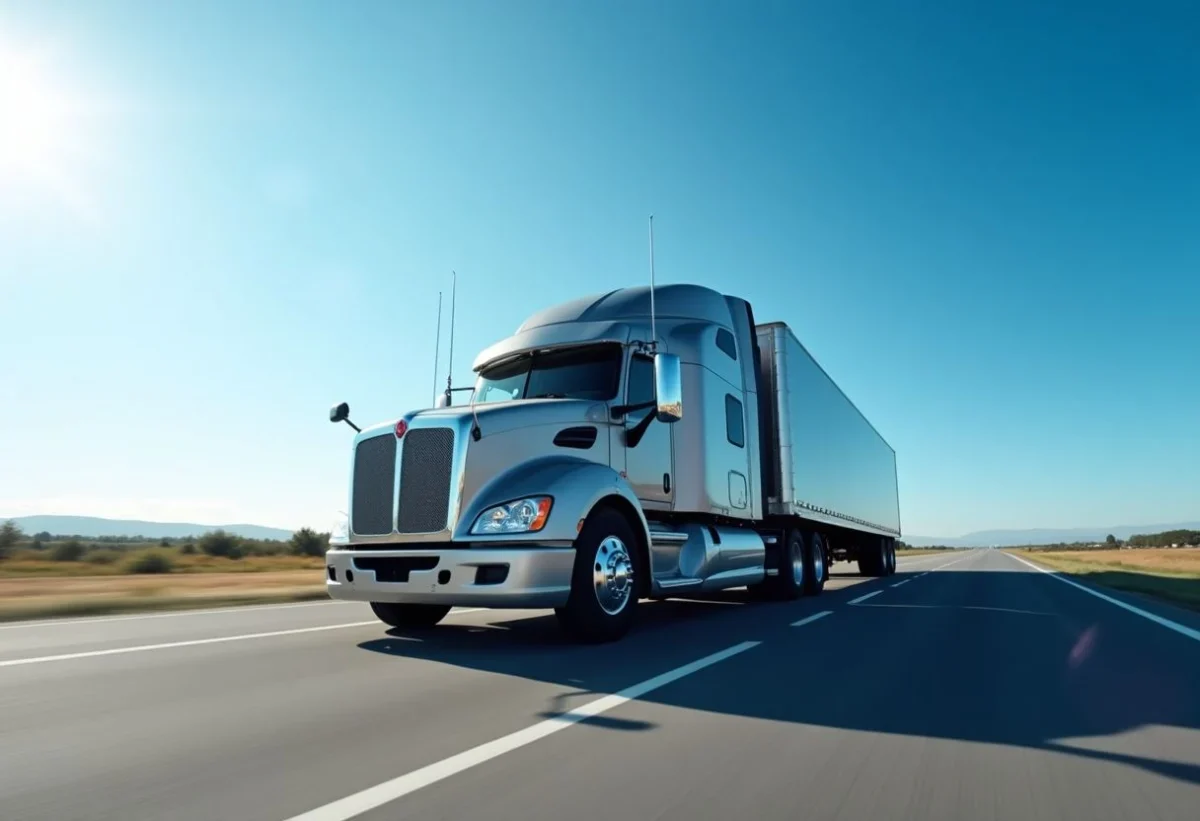
International trade is one of the pillars of the global economy, and England occupies a strategic position in this complex ecosystem. With its historic ports and direct access to continental Europe, the country is an essential hub for trade exchanges. The transportation of goods to and from England requires meticulous coordination and proven expertise. This is where carriers come into play, professionals who ensure that goods move efficiently and safely across borders. But who are these carriers? How do they organize themselves to meet the demands of the current market? And above all, what role do they play in the economic dynamics between the United Kingdom and the rest of the world?
Understanding the Role of Carriers in England
Carriers in England are both logisticians, fleet managers, and customs regulation experts. Their mission goes beyond the simple delivery of goods.
To understand the importance of these players, it is essential to look at a few key aspects:
- Logistics and Planning: Carriers must ensure optimal management of routes and delivery times while minimizing costs.
- Regulatory Compliance: With a constantly evolving legislative framework, especially since Brexit, carriers must stay informed about new laws and regulations.
- Technological Innovation: New technologies play a crucial role in optimizing transportation processes, allowing for better traceability and increased efficiency.
The Challenges Faced by Carriers
Carriers in England face a multitude of challenges, ranging from unpredictable weather conditions to post-Brexit customs duties. Each challenge requires specific solutions to ensure quality service.
Among the obstacles encountered are:
- Weather Conditions: Bad weather can disrupt routes, requiring quick adjustments and high responsiveness.
- Legislative Framework: Frequent changes in laws governing the transportation of goods necessitate constant adaptation of working methods.
- Economic Pressure: Competition and the need to reduce costs while maintaining impeccable service demand innovative strategies.
Technological Advances in Transportation
In a world where technology is rapidly evolving, carriers in England are integrating innovations to meet market needs. The use of advanced technologies is transforming the way carriers operate, thus offering greater efficiency and better customer satisfaction.
Technological solutions include:
- Real-Time Geolocation: This technology allows for tracking shipments at any time, thereby reducing the risk of loss and improving delivery accuracy.
- Automation: Automating processes, particularly in warehouse and fleet management, helps reduce human errors and speed up operations.
- Big Data: Data analysis provides valuable insights for optimizing routes and anticipating customer needs.
Impact of Brexit on the Transport Sector in England
Brexit has brought significant changes to the transport sector in England. Carriers have had to adapt to a new reality, marked by challenges but also opportunities.
The ramifications of Brexit affect several aspects:
- Customs Regulations: Enhanced customs checks lengthen transit times, necessitating more rigorous planning.
- Trade Barriers: New taxes and tariffs can impact the cost of goods, influencing import and export decisions.
- Carrier England: The role of the carrier England becomes crucial, acting as an intermediary between British companies and their European partners.